

When a stone strikes your windshield, it can be a jarring experience. At Alpine, we believe the immediate concern is often whether the damage is minor enough to be repaired or if a full windshield replacement is necessary. Understanding the factors that determine the repairability of a windshield chip can save you time, money, and ensure your vehicle's safety.
Assessing the Chip: Size Matters
The size of the chip is a primary factor in determining whether a repair is feasible. Generally, chips smaller than a quarter inch (approximately the size of a quarter) are good candidates for repair. Chips larger than this may compromise the structural integrity of the windshield, making a replacement the safer option. It's important to get the windshield checked, as leaving a chip unattended can easily spread and further damage the windshield.
Location, Location, Location
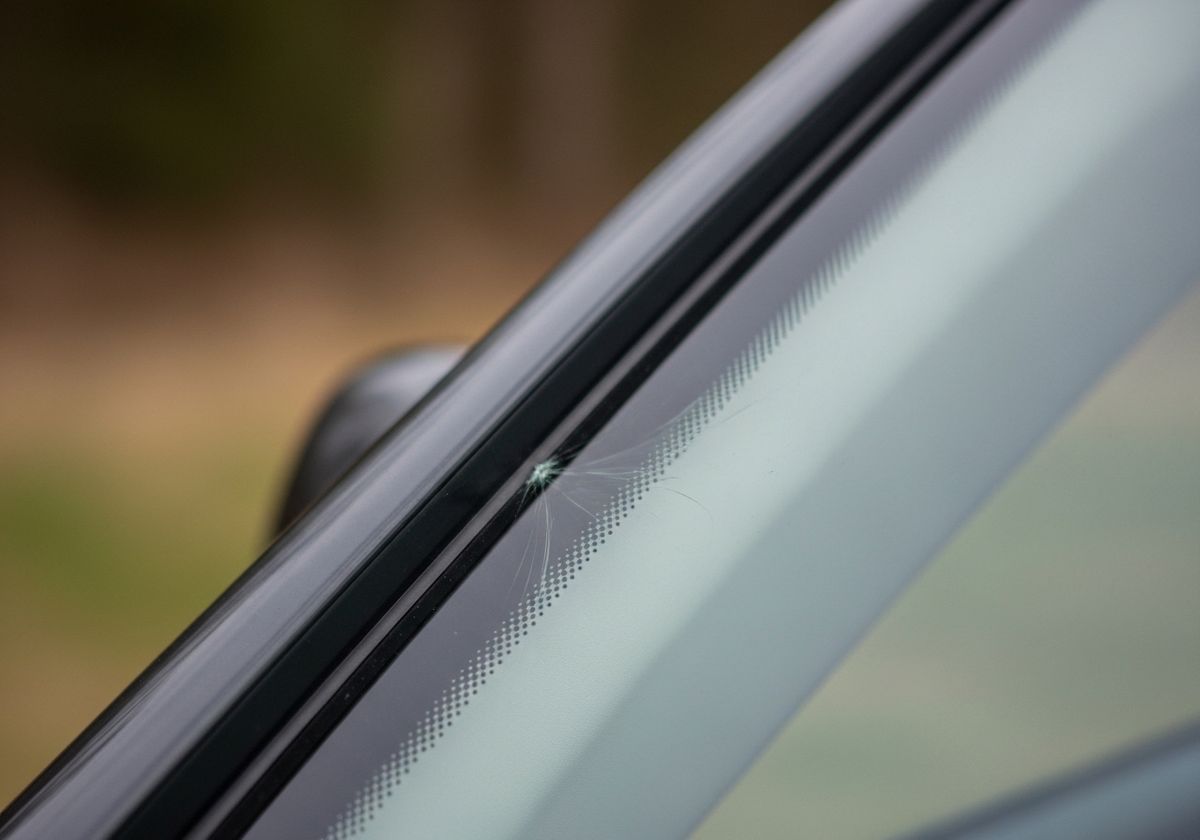
The position of the chip on your windshield also plays a crucial role. Chips located near the edges of the windshield are more likely to require a replacement because these areas are subject to greater stress and are more prone to spreading. Similarly, chips directly in the driver's line of sight can distort vision and should be assessed carefully. While a windshield repair might be possible, a replacement may be recommended for optimal clarity and safety.
Type of Damage
Different types of chips and cracks respond differently to repair efforts. Common types of windshield damage include bullseyes, stars, and combination breaks. Bullseye chips, characterized by a circular impact point, are often repairable. Star breaks, which have small cracks radiating from the center, can be more challenging, especially if the cracks are extensive. Combination breaks, which feature multiple types of damage, may necessitate a full replacement.
The Repair Process: What to Expect
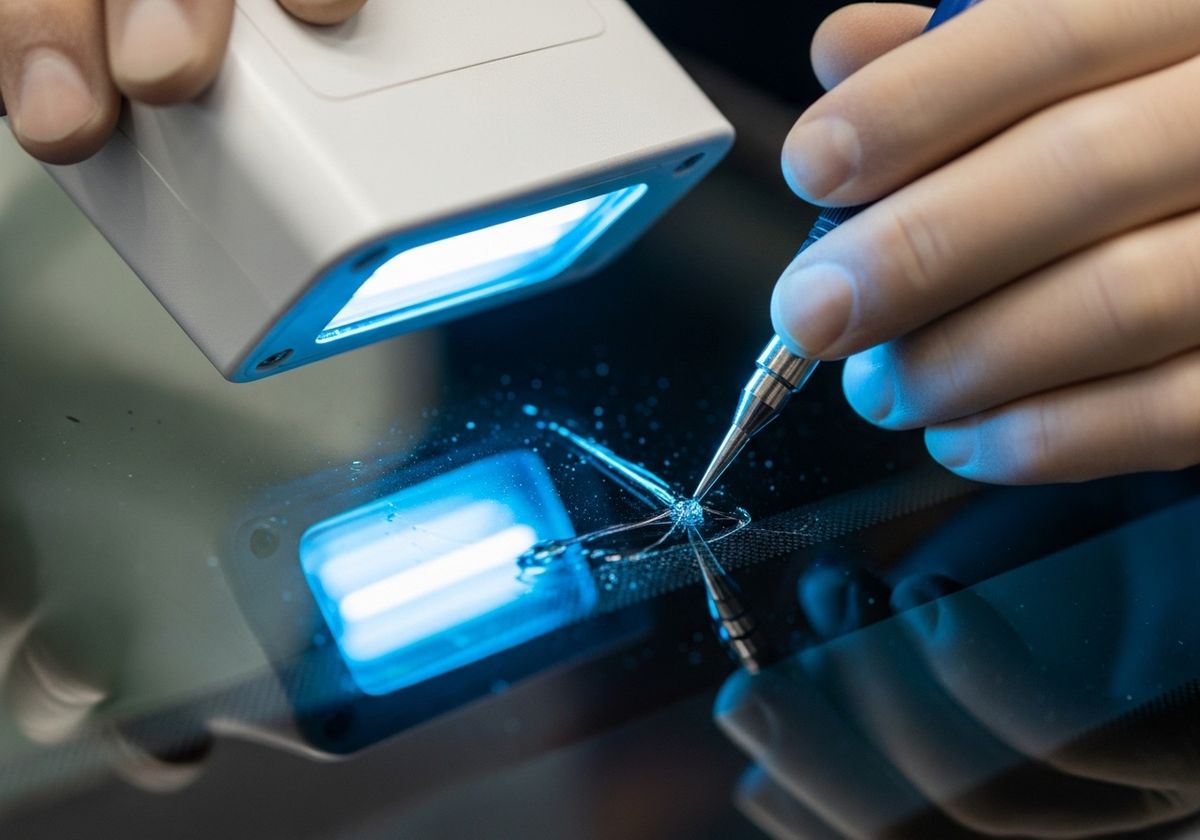
Windshield repair involves cleaning the damaged area and injecting it with a special resin. The resin is then cured with ultraviolet light, bonding it to the glass and restoring the windshield's strength and clarity. A successful repair should leave a smooth surface with minimal distortion. While the repair won't make the chip completely invisible, it should significantly improve the windshield's appearance and prevent further cracking. Automotive window tinting, residential tinting, and commercial tinting can also help to add an extra layer of protection to the glass.
When Replacement is the Only Option
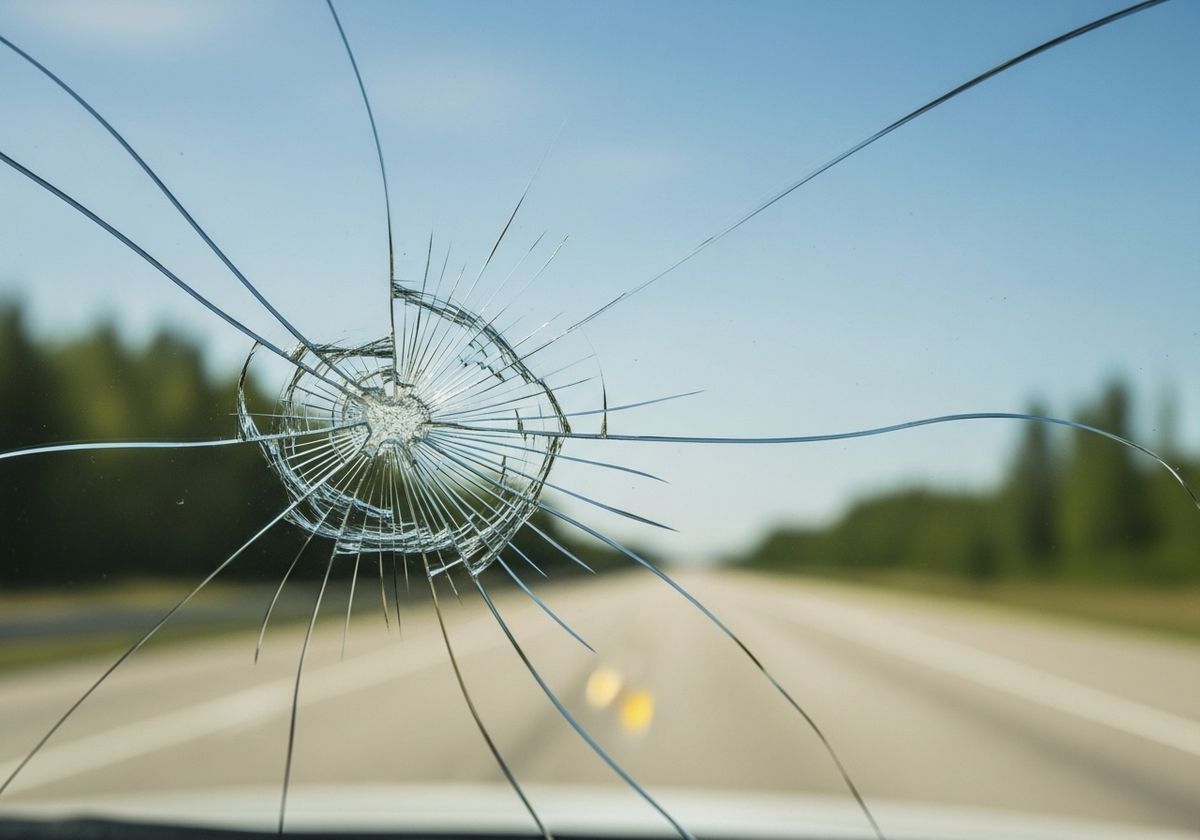
In some cases, windshield replacement is unavoidable. If the damage is too large, too close to the edge, or too complex, a repair may not be a safe or effective solution. It's essential to consult with a qualified auto glass technician to assess the damage and determine the best course of action. Ignoring the damage can lead to larger cracks and ultimately require a windshield replacement.
Knowing when to repair versus replace your windshield is crucial for maintaining your vehicle's safety and structural integrity. Factors such as the size, location, and type of damage all play a role in the decision-making process. At Alpine Auto Glass, we understand the importance of properly installed auto glass and are committed to providing high-quality auto glass services. If you're unsure whether your windshield chip is repairable, contact us today for an expert assessment and to learn more about our windshield repair and windshield replacement services.