
If you're considering window tinting for your vehicle, home, or commercial space, you might wonder about its potential impact on electronic devices. At Alpine Auto Glass, a common question we get is, "Will window tinting affect my GPS or cell signal?" Let's explore this topic to provide clarity.
The Composition of Window Tint
Most window tints are made from polyester film, and these types of window tinting products generally do not interfere with radio waves, GPS, or cell phone signals. However, some older or lower-quality window tints may incorporate metallic particles for added heat rejection. These metallic components are the primary cause of signal interference.
How Metallic Window Tint Affects Signals
Metallic window tints can act as a partial Faraday cage, which can block or weaken radio frequencies, including those used by GPS and cellular devices. The level of interference depends on the type and amount of metal used in the tint. This is more common in older or very inexpensive tinting films.
Modern, Non-Metallic Alternatives
Fortunately, modern technology has provided non-metallic window tinting options that offer excellent heat rejection without signal interference. These films use ceramic, carbon, or other advanced materials to block UV rays and heat while allowing radio waves to pass through unimpeded. If maintaining optimal signal strength is a concern, these are the best options.
Considerations for Automotive Window Tinting
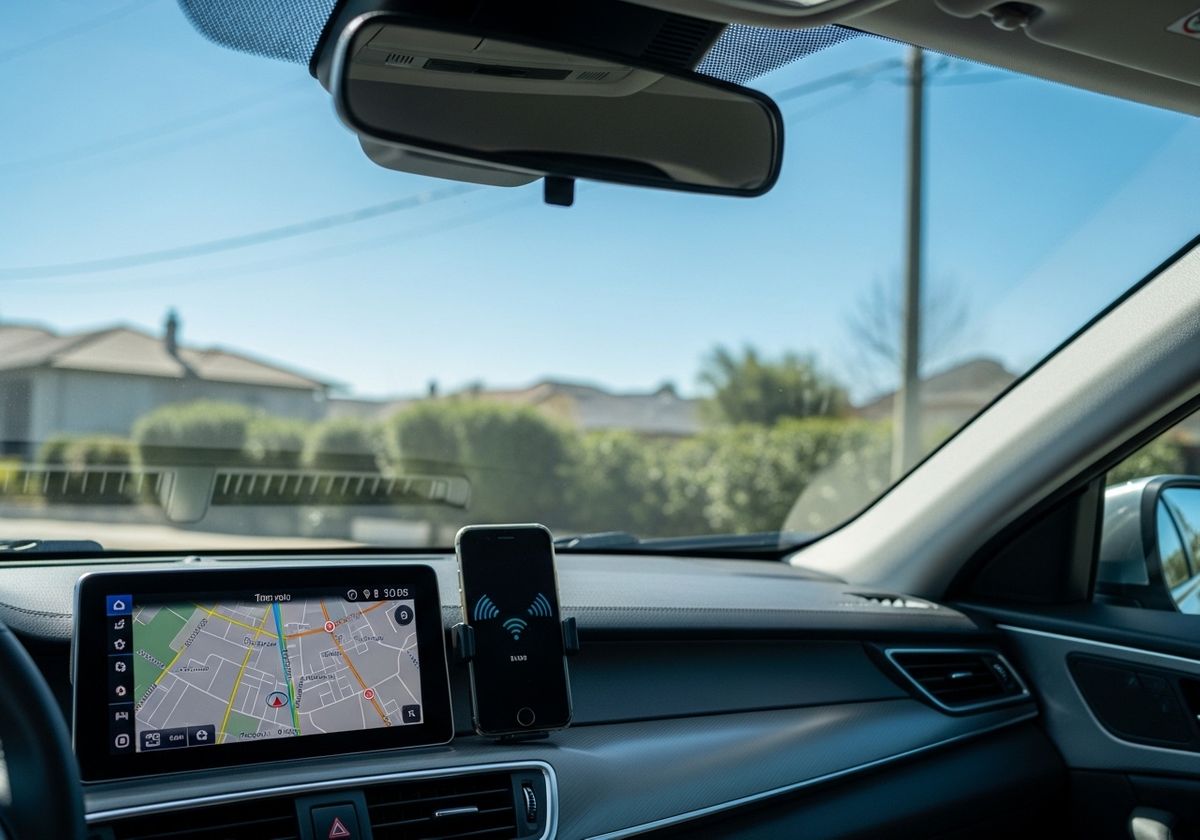
When it comes to automotive window tinting, it's crucial to choose a high-quality, non-metallic film to avoid any disruption to your GPS navigation system or cell phone connectivity. Many drivers rely on these devices for directions, communication, and safety features, so maintaining a strong signal is essential. Choosing the right automotive window tinting will give you the privacy and comfort you desire without sacrificing connectivity.
Residential and Commercial Tinting
The same principles apply to residential and commercial tinting. If you're using window tint to reduce glare and heat in your home or office, consider non-metallic options to ensure uninterrupted use of your electronic devices, Wi-Fi, and cellular signals. Non-metallic window tinting is particularly important for commercial buildings where reliable communication is critical for daily operations.
Professional Advice and Installation
To ensure the best results, consult with a professional window tinting service. They can assess your specific needs and recommend the most suitable type of film for your vehicle, home, or commercial space. Professional installation is also key to maximizing the benefits of window tint while minimizing any potential drawbacks.
Choosing the right window tint involves considering factors like heat rejection, UV protection, and signal interference. While older metallic tints can cause issues with GPS and cell signals, modern non-metallic options provide excellent performance without these drawbacks. At Alpine Auto Glass, we understand the importance of quality and connectivity. Contact us today to learn more and discover how we can help you enhance your space without compromising your signal strength.